
HCD / RESEARCH-LED PRODUCT DEVELOPMENT
I used research to change product decisions — not simply validate screens.
The project began with assumptions about what needed to be designed.
My role was to slow that jump to solutions, establish what was actually known, investigate real user workflows, and convert research into product decisions that the team could act on.
I led the UX process from problem definition and discovery through research, design exploration, validation and implementation.
I treated proposed solutions as hypotheses and used user evidence to decide what the product should actually prioritize.
Research became an input to product prioritization and reduced reliance on unvalidated assumptions.
My responsibility was to connect user understanding to product decisions.
I led the UX process from problem definition and discovery through research, design exploration, validation and delivery.
My responsibility was not only to create an interface. It was to ensure that product decisions were grounded in an understanding of users and their real workflows.
I personally planned and synthesized research, translated findings into design principles and journey requirements, created and evaluated concepts, and worked with engineering through implementation.
The broader team contributed product knowledge, technical expertise and operational constraints.
- UX became part of the decision-making process rather than a downstream production activity.
I separated assumptions from evidence before designing the solution.
Instead of translating business requirements directly into screens, I worked with stakeholders to identify what was known, what was assumed and what required validation.
This created a focused research agenda rather than a broad discovery exercise without decision value.
- Stakeholder assumptions.
- Existing workflow problems.
- Support and complaint patterns.
- Operational constraints.
- Questions that could materially change the product direction.
Prioritize research questions according to the product decisions they could influence.
- Discovery became connected to concrete product decisions.
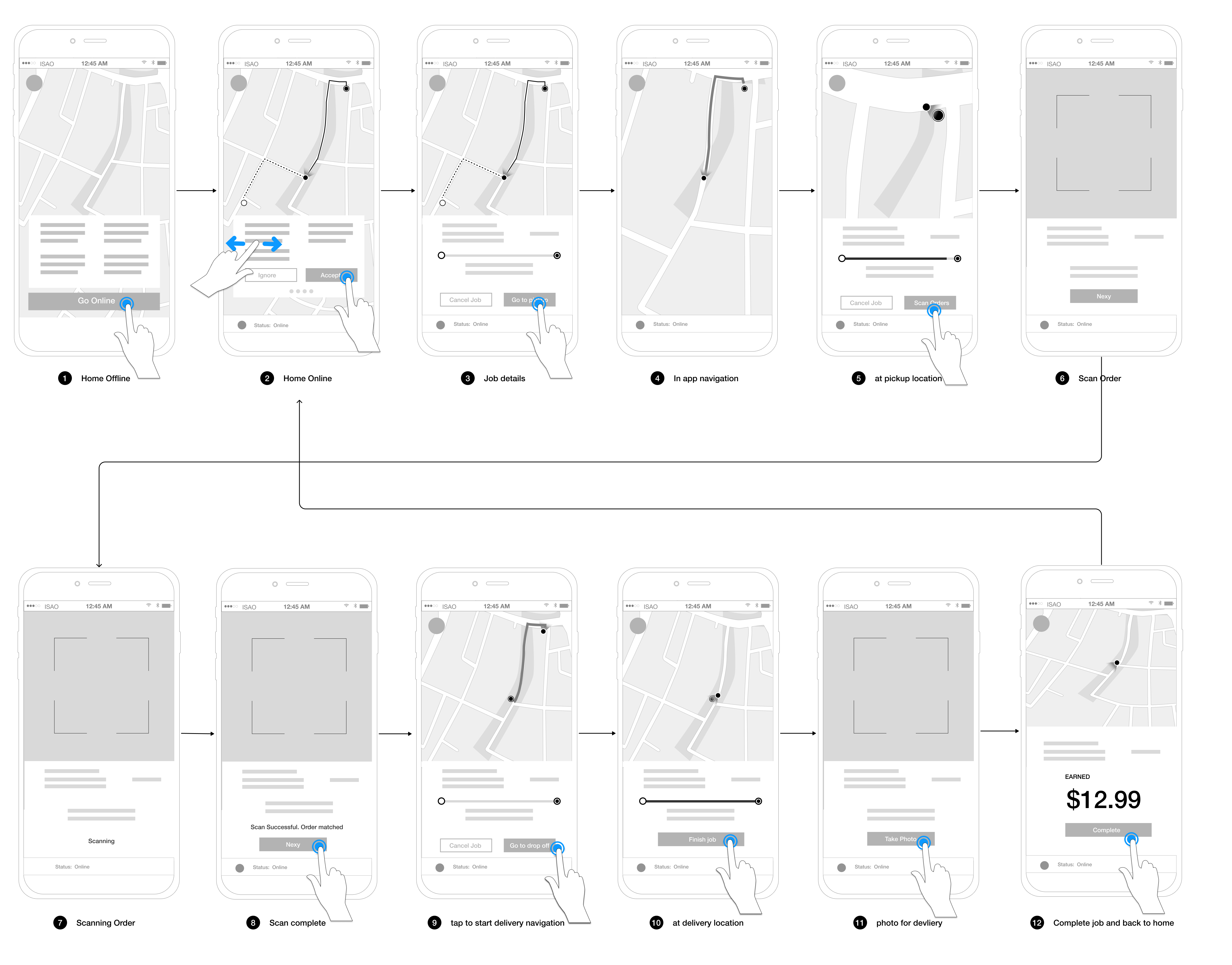
Research was translated into design and product priorities.
I used user interviews, workflow analysis, contextual understanding and usability evaluation to identify recurring pain points, behaviors and unmet needs.
The output was not simply a research report.
- Recurring user needs.
- Behavior patterns.
- High-friction workflow steps.
- Mismatch between system language and user understanding.
- Important failure and recovery scenarios.
- Findings were translated into design principles.
- Journey improvements became explicit.
- Product priorities could be discussed using user evidence.
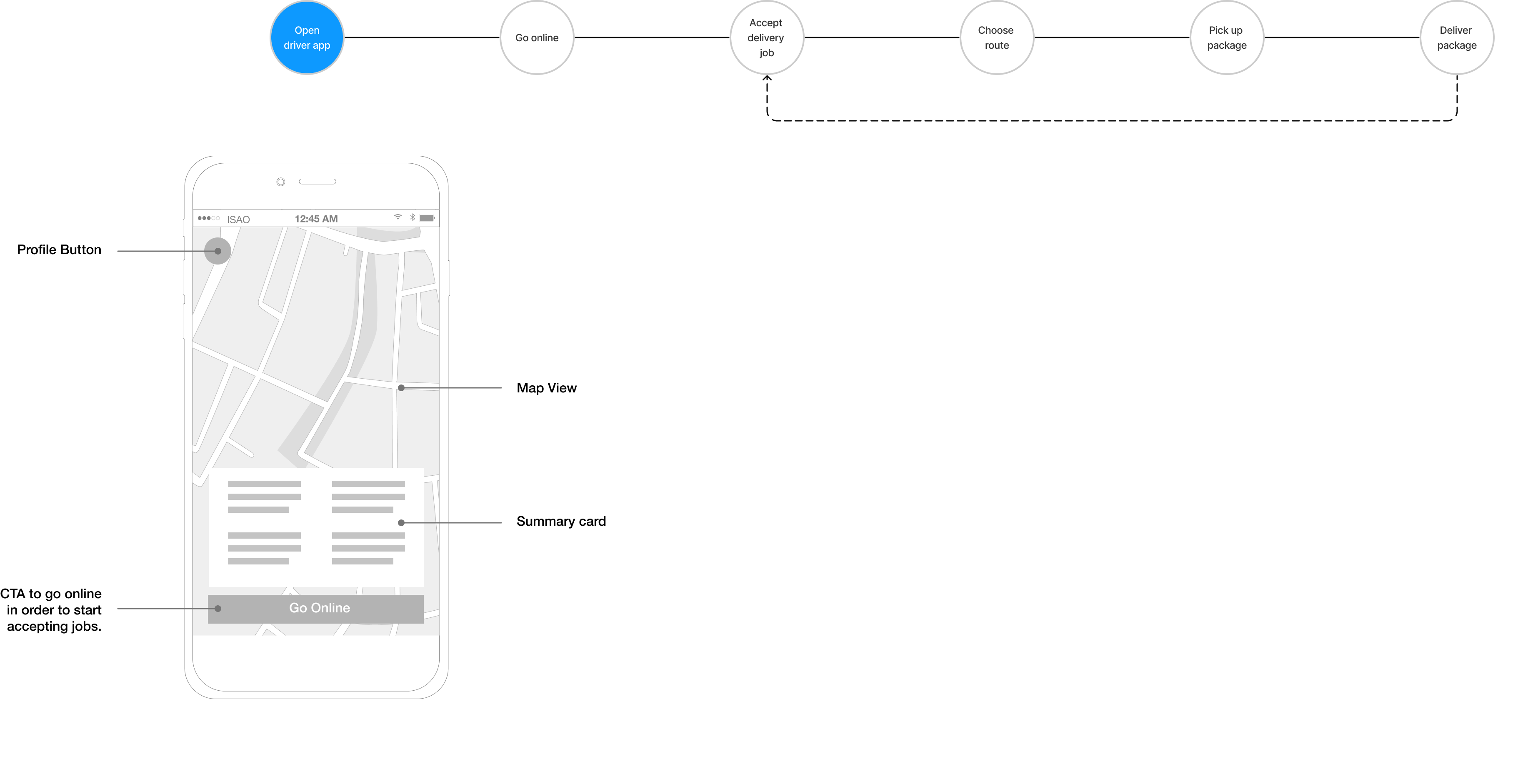
I treated design concepts as hypotheses, not answers.
Multiple approaches were explored and evaluated against user evidence, business objectives, technical constraints and usability findings.
When research challenged an initial assumption, I used that evidence to reconsider the direction rather than defending the first design.
Choose the direction that best balanced user evidence, business value, feasibility and usability — even when it contradicted the original assumption.
- The conversation shifted from 'Which design do we prefer?' to 'Which option is best supported by the evidence?'
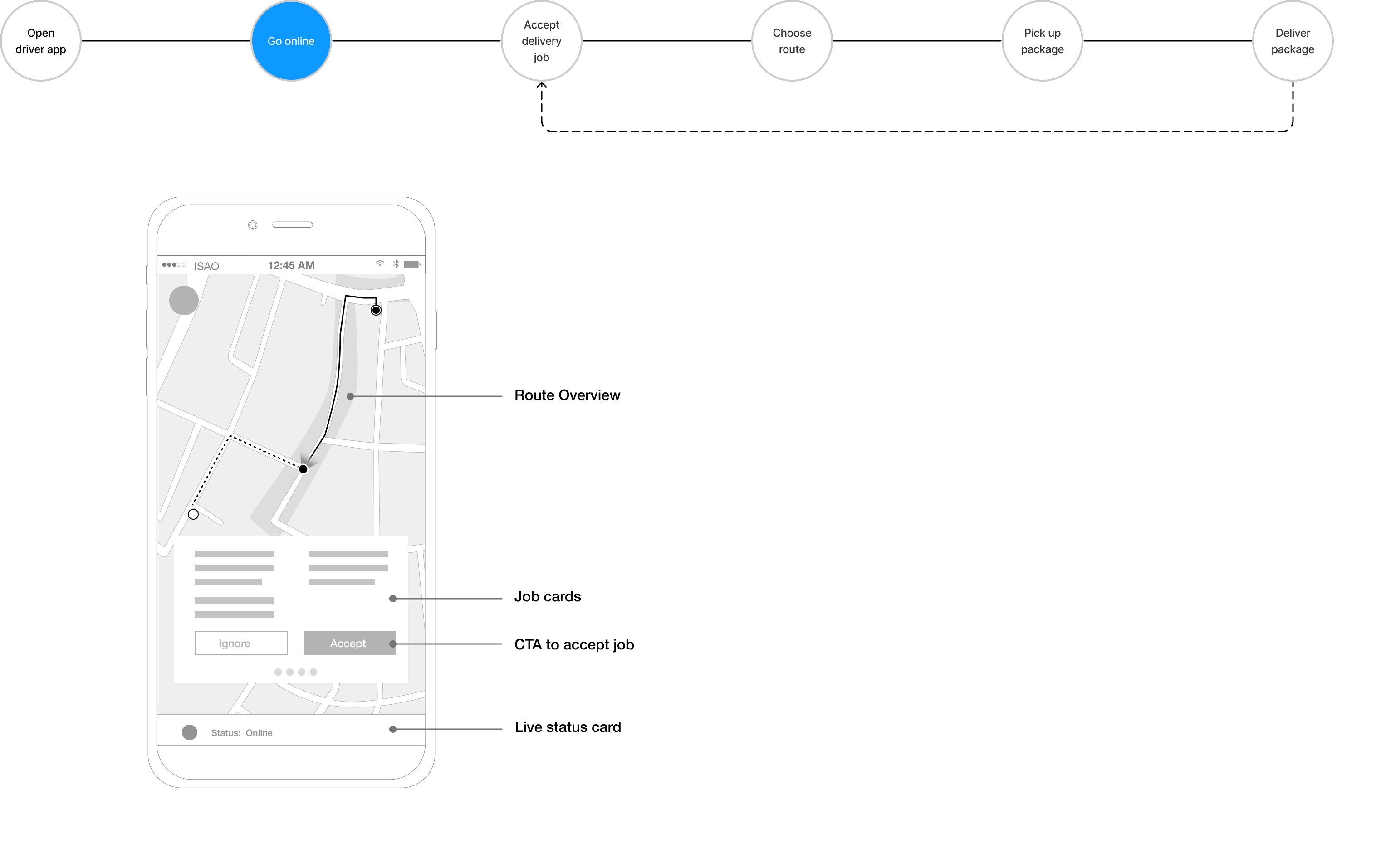
I made research and design rationale visible so the team could make decisions together.
Workshops, prototypes and usability findings became shared artifacts between product stakeholders, designers and engineers.
That helped reduce subjective debate and made trade-offs easier to discuss.
- Stakeholders had stronger evidence for prioritization.
- Engineering constraints could influence design before handoff.
- Design rationale remained visible throughout delivery.
HCD continued through implementation.
I carried validated concepts into detailed UX/UI design and worked with engineering through implementation and review.
Edge cases, system states, accessibility and technical constraints were treated as part of the design rather than issues to solve after handoff.
- The delivered experience remained connected to the original research.
- Implementation decisions could be reviewed against explicit user requirements.
The larger impact was a more evidence-driven product-development process.
The project improved the product experience, but the organizational value was also important.
Research gave stakeholders stronger evidence for prioritization and reduced reliance on assumptions during product decisions.
- A more repeatable HCD approach.
- Research connected directly to prioritization.
- Better visibility of design rationale.
- Less dependence on opinion-driven product decisions.
JAPAN / U.S. HCD LENS
The HCD process must adapt to how decisions are made inside the organization.
These are collaboration considerations rather than claims about every Japanese or U.S. company.
In Japanese organizations, making evidence and rationale visible can support broader consensus-building and reduce the risk of silent disagreement.
In U.S. product environments, evidence often needs to support faster decisions by clearly identifying ownership, trade-offs and next actions.
The research method may be similar, but the way findings are communicated and converted into decisions should fit the organizational context.
WHAT THIS PROJECT DEMONSTRATES
Research has little value if it does not change a decision.
The goal of HCD is not to perform every research method.
Its value comes from improving the quality of decisions made throughout the product-development process.
Research should change what the team does next.